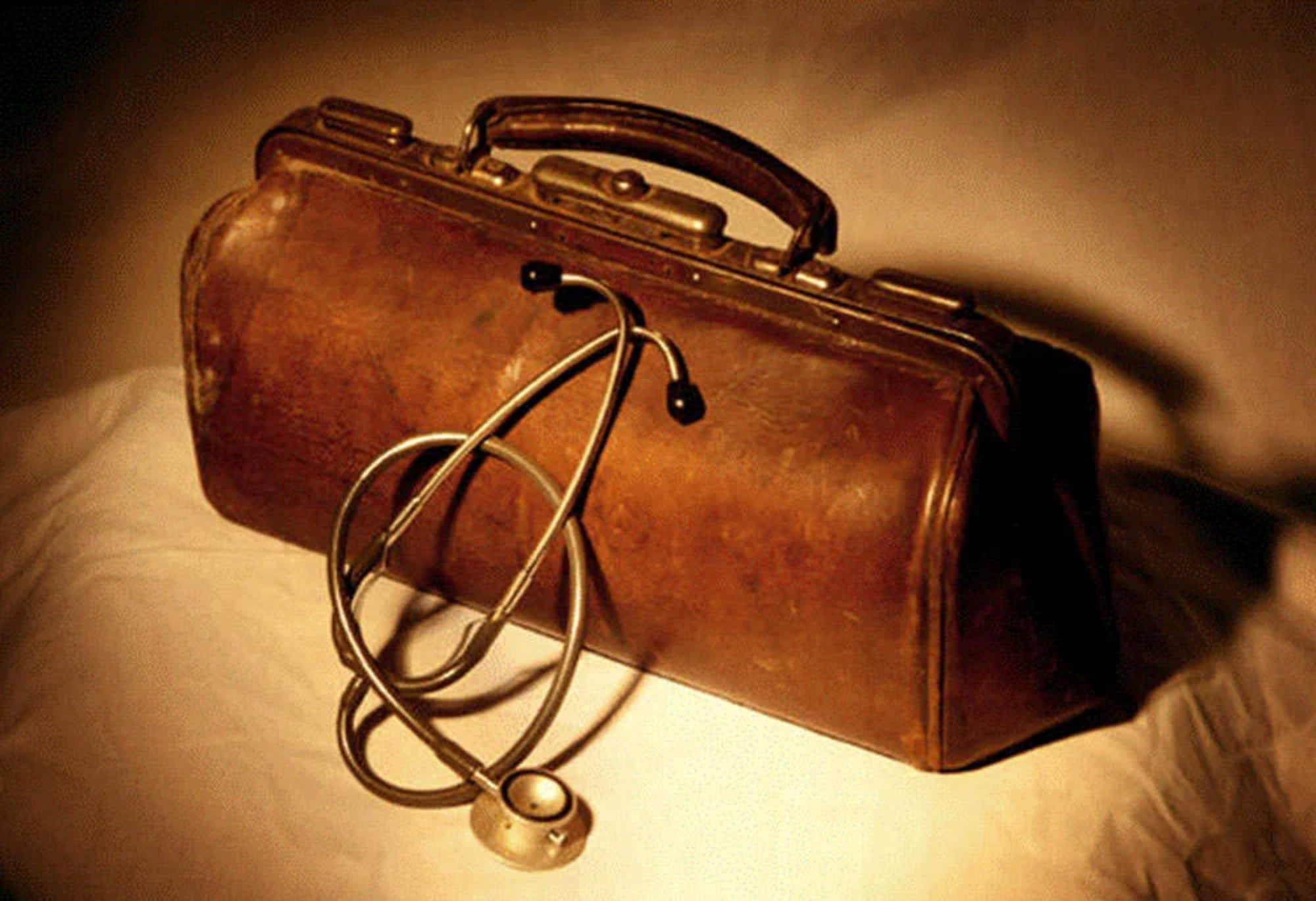
The image of a doctor making house calls with a black bag may seem like a relic of the past, but home visits are experiencing a renaissance in modern medicine. In concierge practice, house calls represent a return to personalized, patient-centered care that many thought was lost to the modern healthcare system.
Strengthening the Provider-Patient Relationship
There's something uniquely valuable about a physician coming to your home. It sends a powerful message: your health and well-being matter enough for your doctor to come to you. This investment of time and effort strengthens the bond between patient and physician in ways that office visits simply cannot replicate.
When I visit a patient's home, I'm not just there to address a specific medical concern. I'm building a relationship founded on genuine care and mutual respect.
The Comfort of Home
Medical offices, despite our best efforts to make them welcoming, can be stressful environments. White coat syndrome – elevated blood pressure in medical settings – is a real phenomenon that affects many patients. At home, patients are:
- More relaxed and at ease
- More likely to share concerns they might not mention in an office setting
- In their natural environment, which provides valuable clinical insights
- Able to easily show medications, supplements, and health equipment they use
- Surrounded by family members who can participate in discussions
Improved Communication
Home visits create an environment conducive to deeper, more meaningful conversations. Without the time pressure of a typical office visit and the sterile medical setting, patients often open up about:
- Lifestyle factors that influence their health
- Concerns they might consider "too minor" to mention in an office
- Challenges with following medical recommendations
- Social and emotional factors affecting their well-being
- Goals and preferences for their care
Building Rapport with Family and Caregivers
Health doesn't exist in isolation. Family members and caregivers play crucial roles in a patient's health journey, particularly for:
- Elderly patients who may depend on family for support
- Patients managing chronic conditions
- Those recovering from surgery or serious illness
- Patients whose family members help manage their healthcare
Home visits allow me to meet and build relationships with these important people in my patients' lives. This improves communication, care coordination, and overall outcomes.
Practical Benefits
Beyond the relationship and communication benefits, home visits offer practical advantages:
- Medication review: I can see all medications in the home and check for proper storage and organization
- Safety assessment: I can identify fall hazards or other safety concerns
- Equipment check: I can verify that home medical equipment is being used correctly
- Lifestyle insight: Seeing a patient's environment provides context for their health
- Convenience: For patients with mobility limitations or transportation challenges, home visits eliminate barriers to care
When Home Visits Make Sense
While not every medical encounter requires a home visit, they're particularly valuable for:
- Initial comprehensive assessments for new patients
- Acute illness when coming to the office would be difficult
- Elderly patients or those with mobility challenges
- Post-hospitalization follow-up
- Complex medical situations requiring extended discussion
- End-of-life care and family meetings
A Cornerstone of Concierge Care
Home visits exemplify what makes concierge medicine different. The ability to bring medical care directly to patients – on their terms, in their environment – represents a fundamental shift in the doctor-patient relationship. It's medicine the way it should be: personal, accessible, and centered on the patient.
If you'd like to learn more about how home visits might fit into your care, or if you have a situation where a home visit might be appropriate, please don't hesitate to reach out.